 JOIN OUR WHATSAPP GROUP FORUM


Offer Sale
Calming Redness on Face: Gentle Skincare Tips for a Soothed Look
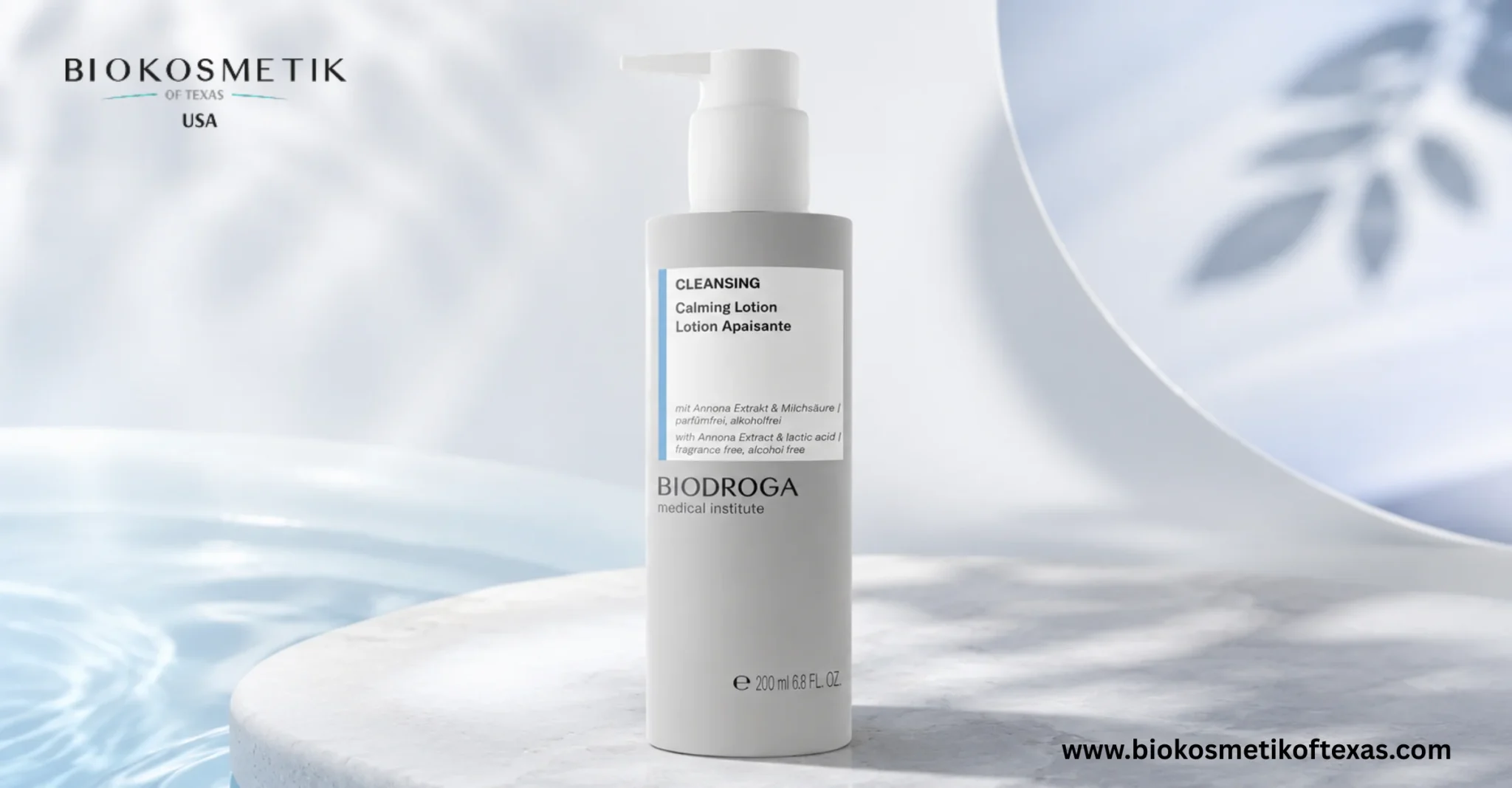
Calming Redness on Face: Gentle Skincare Tips for a Soothed Look
Facial redness can make your skin feel uncomfortable, sensitive, and hard to manage. Sometimes it appears after sun exposure, harsh products, weather changes, or over-exfoliation. In some cases, frequent redness may also be linked to skin concerns like rosacea or dermatitis, so it is important to treat your skin gently and notice what triggers it.
Why Redness Happens on the Face
Redness on the face often happens when the skin barrier becomes weak or irritated.
Common reasons for facial redness include:
* Sensitive skin
* Sun exposure
* Over-cleansing
* Harsh exfoliation
* Fragrance or irritating ingredients
* Dryness and dehydration
* Rosacea-prone skin
* Environmental stress
Rosacea can cause flushing, redness, visible blood vessels, and sensitivity, especially around the cheeks, nose, forehead, and chin.
Start With a Gentle Skincare Routine
When your skin looks red or irritated, the best thing to do is simplify your routine. Avoid using too many products at once. A gentle cleanser, calming moisturizer, and daily sunscreen are often enough to support the skin while it recovers.
Choose a mild cleanser that does not leave your face feeling tight. After cleansing, apply a soothing moisturizer to help support the skin barrier. The American Academy of Dermatology recommends gentle skincare and sun protection for redness-prone or rosacea-prone skin.
Ingredients That Help Calm Redness
For calming redness on face, look for skincare ingredients that support comfort, hydration, and barrier repair.
Helpful ingredients may include:
* Aloe vera for a cooling feel
* Panthenol to support comfort
* Ceramides for barrier support
* Niacinamide to help improve skin balance
* Hyaluronic acid for hydration
* Green tea extract for antioxidant support
* Oat extract for soothing care
What to Avoid When Your Face Is Red
When your skin is already irritated, some habits can make redness worse. Try to avoid strong scrubs, alcohol-based toners, heavy fragrance, hot water, and too many active ingredients at the same time.
You may also want to pause strong exfoliating acids, retinol, and vitamin C until your skin feels calmer.
Daily Habits to Keep Skin Calm
Wash your face with lukewarm water instead of hot water. Use sunscreen every morning, because sunlight can trigger flushing and redness in sensitive or rosacea-prone skin.
Also, pay attention to your personal triggers. Heat, spicy foods, alcohol, stress, and harsh skincare products may trigger redness for some people, especially those with rosacea-prone skin.
When to See a Dermatologist
If redness does not improve, keeps coming back, feels painful, or appears with bumps, swelling, burning, or visible blood vessels, it is best to speak with a dermatologist. Some types of redness need professional treatment, especially if rosacea, dermatitis, or allergies are involved.
Conclusion
Calming redness on face starts with being gentle. Keep your routine simple, avoid harsh ingredients, protect your skin from the sun, and focus on hydration and barrier repair. With consistent care and the right soothing products, your skin can feel calmer, softer, and more balanced.
FAQ
- What is the fastest way to calm redness on face?
Use a gentle cleanser, apply a soothing moisturizer, and avoid heat, scrubs, fragrance, and strong active ingredients. A cool compress may also help comfort irritated skin.
- Can moisturizer reduce facial redness?
Yes. A good moisturizer can support the skin barrier, reduce dryness, and make sensitive skin feel more comfortable.
- Is sunscreen important for redness-prone skin?
Yes. Sun exposure can trigger redness and flushing, especially in sensitive or rosacea-prone skin. Daily sunscreen helps protect the skin.
- Why does my face get red after skincare?
Your skin may be reacting to fragrance, exfoliating acids, alcohol, retinol, or other strong ingredients. Stop using the product if it burns or irritates your skin.
- Can redness on face be permanent?
Some redness may fade with gentle care, but persistent redness may be related to rosacea, visible blood vessels, or another skin condition. A dermatologist can help identify the cause.